
Chiropractic Methods for Enhanced
Mobility Vero Beach, FL
Stiffness, muscle tightness, and limited range of motion can make everyday activities—such as reaching overhead, bending, walking, exercising, or turning your head—more difficult than they should be. At Freedom of Movement Chiropractic in Vero Beach, FL, our approach to improving mobility goes beyond simply adjusting the spine.
A chiropractic adjustment can be an important part of improving joint motion, but adjustments alone may not address all of the factors contributing to restricted movement. Muscles, tendons, connective tissues, strength, flexibility, balance, movement patterns, and everyday habits can all influence how well your body moves.
That is why we take a more comprehensive approach.
 Call Now(772)-253-2447
 Book Your Injury Evaluation
What Causes Reduced Mobility?
Reduced mobility can develop when the joints, muscles, connective tissues, or nervous system are not working together efficiently. Common contributing factors include joint stiffness, muscle tightness or weakness, arthritis and age-related changes, previous injuries, prolonged sitting, poor movement patterns, reduced physical activity, and problems with balance or coordination.
Pain can also cause people to move less, which may gradually lead to additional stiffness, weakness, and loss of flexibility. In some cases, reduced mobility may be associated with an underlying orthopedic, neurological, or medical condition.
Identifying what is limiting movement is an important first step. A clinical examination can help determine whether joint restriction, soft-tissue limitations, weakness, pain, or other factors are contributing to the problem and guide an appropriate plan to improve movement and function.
In Pain? Don’t Wait!
Getting treatment early can prevent long-term problems.
 Book Your Injury Evaluation
Restoring Motion Is Only Part of the Goal
Creating movement and maintaining movement are not the same thing. An adjustment may help restore motion to a restricted joint, but lasting functional improvement often requires addressing the muscles and movement patterns surrounding that joint.
Depending on your examination findings and individual needs, your care may incorporate:
- Chiropractic Adjustments – Used when clinically appropriate to improve joint mobility and address areas of restricted movement.
- Diversified Chiropractic Technique – Hands-on adjustments tailored to the joints and regions requiring care.
- Activator Technique – A low-force, instrument-assisted method that provides a controlled adjustment when a gentler approach is appropriate.
- Flexion-Distraction Therapy – A gentle, table-assisted technique designed to mobilize the spine through controlled flexion and distraction.
- Soft-Tissue Therapy – Addresses muscle tension, tenderness, and soft-tissue restrictions that may interfere with comfortable movement.
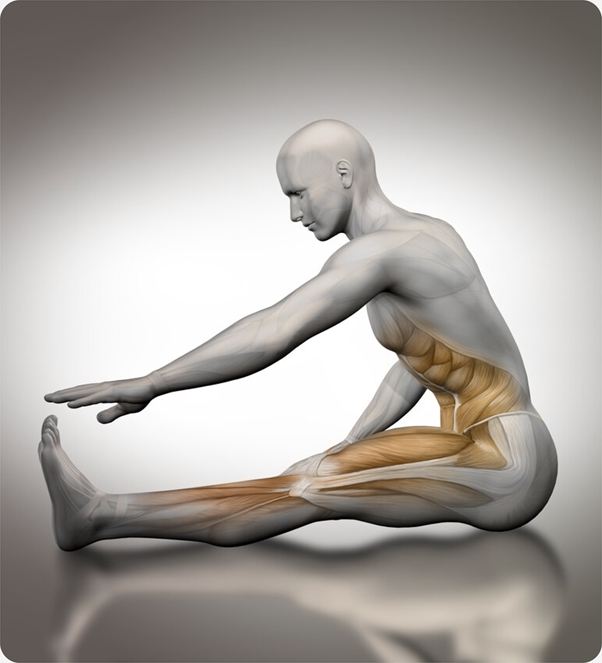
- Assisted Stretching – Helps improve flexibility and gradually restore movement in shortened or restricted muscles and surrounding tissues.
- Therapeutic and Corrective Exercise – Helps strengthen the muscles that support improved movement, stability, posture, and everyday function.
- Neuromuscular Re-Education – Helps retrain coordination, posture, balance, and movement patterns so the body can better use the mobility gained through treatment.
Common Causes of Reduced Mobility
Common causes of reduced mobility include:
- Joint stiffness or restricted motion – Reduced movement within a joint can make bending, reaching, turning, or walking more difficult.
- Muscle tightness – Shortened or tense muscles can limit flexibility and normal range of motion.
- Muscle weakness – Reduced strength can affect stability, balance, and the ability to perform everyday movements.
- Arthritis and degenerative joint changes – Osteoarthritis and other joint conditions can contribute to pain, stiffness, and reduced motion.
- Previous injuries – Sprains, strains, fractures, and other injuries may leave lingering stiffness, weakness, or altered movement patterns.
- Pain – Back, neck, or joint pain may cause a person to avoid certain movements, potentially leading to further stiffness and deconditioning.
- Prolonged sitting and physical inactivity – Too little regular movement can contribute to decreased flexibility, strength, and endurance.
- Poor posture or repetitive movement patterns – Sustained positions and repetitive activities can contribute to muscle imbalance and movement limitations.
- Balance and coordination problems – Changes in balance, proprioception, or neuromuscular control can make movement less efficient or less confident.
- Neurological or medical conditions – Conditions affecting the brain, spinal cord, peripheral nerves, cardiovascular system, or other body systems can also reduce mobility.
How Do You Know You Need Mobility Care?
Occasional stiffness is common, but persistent or worsening difficulty with movement may be a sign that your mobility should be evaluated. You may benefit from mobility-focused care if you notice:
- Difficulty bending, reaching, twisting, or turning your head
- Joint stiffness that does not improve with normal movement
- Muscle tightness that repeatedly limits your range of motion
- Difficulty getting up from a chair, climbing stairs, or walking comfortably
- Reduced flexibility or strength
- Changes in balance, coordination, or confidence with movement
- Pain that causes you to avoid certain activities or movements
- Difficulty returning to normal activity after an injury
- Everyday activities are becoming harder because your body does not move as freely as it once did
A mobility evaluation can help identify whether joint restriction, muscle tightness, weakness, balance, pain, or altered movement patterns are contributing to the problem. From there, an individualized plan may combine chiropractic care, soft-tissue techniques, stretching, strengthening, and movement-based exercises to help improve function and maintain mobility.
The goal of mobility care is not simply to move a joint—it is to help your body move better as a whole.
What to Expect at Your First Visit
-
 1
1
A conversation about what has been bothering you and for how long.
-
 2
2
A hands on exam to identify what is actually driving the pain or stiffness.
-
 3
3
A treatment plan explained in plain language, built around your body.
-
 4
4
Ongoing one on one care, adjusted as you progress.
Are You Not Moving Like You Used To?
Stiffness that limits your daily activities isn't something you have to accept as normal. Restoring movement starts with understanding why your mobility has changed and addressing it directly.

 Chiropractic Adjustment
 Stretching and Strengthening Exercises
 Diversified Chiropractic Techniques
 Activator Technique
Frequently Asked Questions
We use a combination of joint adjustments, soft tissue work, diversified chiropractic techniques, the activator technique, and Flexion-Distraction therapy. Each approach is chosen based on your specific restrictions, helping to restore movement and improve overall range of motion.
Many patients notice increased ease of movement within the first few visits, though full results depend on how long the restriction has been present. We'll track your progress and adjust your treatment plan as your mobility improves.
Not at all. Many of our patients seek chiropractic adjustments simply to move better, prevent future injury, and maintain flexibility as they age. Restoring movement is just as valuable for prevention as it is for recovery.
Often, yes. Stretching and strengthening exercises are an important part of maintaining the mobility gained through chiropractic adjustments and soft tissue work. We'll provide simple, personalized exercises to support your progress between visits.

Insurance and Coverage
Restoring your mobility shouldn't be held back by cost concerns. Freedom Of Movement Chiropractic is approved to work with Workers' Compensation and Aetna. Coverage and eligibility for mobility-focused chiropractic care are verified on a case-by-case basis, so we recommend confirming your specific benefits with our office before your visit.
If your reduced mobility or joint stiffness is connected to a car accident or workplace injury, we're glad to help. Florida requires Personal Injury Protection, known as PIP, on auto policies, and chiropractic care is commonly covered following an accident. Ask our office for details when you schedule your evaluation.
Real Patients. Real Results.

"I was hit at a red light and couldn't move my neck. They got me in the next day. Within 3 weeks I was back at work. I can't imagine going to four different doctors."
 Jennifer M.Car Accident | Whiplash
"My back pain was getting worse even after seeing a chiropractor alone. When I added physical therapy here, everything changed. The team knew exactly how to work together."
 David T.MVA | Lower Back Injury
"Everyone said I should get an attorney before starting treatment. They said I could start right away, and they connected me with a lawyer when I was ready. Best advice ever."
 Sarah L.Auto Accident | Multi-Injury
"From the moment I walked in, they made me feel like I mattered. The doctors and therapists communicated constantly about my care plan. I healed faster than I ever expected."
 Maria G.Slip & Fall | Neck & Back Pain
Conveniently Located in Vero Beach
Freedom Of Movement Chiropractic is located within Image Studios, alongside other health and grooming professionals, making it an easy stop for Vero Beach and Indian River County residents looking for consistent, personal chiropractic care.
 Get Directions